
Module 3 - Anatomy
Introduction
Before we begin studying muscles, joints, or specific techniques, it is worth pausing to consider a more fundamental question: how is the human body organized?
At first glance the body may seem like a collection of separate structures—muscles, bones, nerves, organs—each with its own name and function. Early anatomy students often experience this as a long list of unfamiliar terms that must simply be memorized. But with a little patience, a pattern begins to emerge. The body is not a random collection of parts. Instead, it is built in layers of increasing complexity, each level contributing to the function of the whole.
Biologists describe this structure as a hierarchy of organization. At the most basic level are microscopic cells. Cells combine to form tissues, tissues form organs, and organs work together within organ systems that maintain the conditions necessary for life.
For massage therapists, this organization matters more than it might first appear. Every time you place your hands on a client, you are interacting with structures that belong to several of these levels at once. The muscle beneath your hands is made of individual muscle fibers. Those fibers are supported by connective tissues that transmit force throughout the body. The muscle itself functions as part of the musculoskeletal system, which interacts constantly with the nervous and circulatory systems.
Understanding how the body is organized helps us see these relationships more clearly. It allows us to appreciate how localized work—such as addressing tension in a specific muscle—may influence broader physiological processes such as circulation, nervous system activity, or movement patterns.
In this lesson we will explore three foundational ideas that will support everything that follows in anatomy and physiology. First, we will examine the levels of biological organization that structure the human body. Next, we will consider homeostasis, the body’s remarkable ability to maintain internal balance despite constant change. Finally, we will introduce the language of anatomy, the standardized terminology used by healthcare professionals to describe the body with precision.
These concepts may seem simple at first, but they provide the conceptual framework that allows anatomy to make sense. In many ways, learning these ideas is like learning how to read a map before beginning a journey.
Learning Objectives
By the end of this lesson, you should be able to:
• Describe the five levels of organization in the human body
• Identify the four primary tissue types
• Explain the concept of homeostasis
• Use basic anatomical directional terminology
• Recognize why anatomical terminology is important in massage therapy practice
Chapter 1: Levels of Biological Organization
The human body is organized into a hierarchy of structural levels. Each level represents an increase in complexity and specialization, building upon the level that precedes it.
This hierarchical organization allows biological systems to perform functions that individual components could not accomplish alone. A single cell, for example, can carry out basic metabolic processes, but it cannot move a limb or circulate blood throughout the body. When cells work together as tissues, tissues combine into organs, and organs cooperate within systems, entirely new capabilities emerge.
Understanding this hierarchy helps students appreciate how the body functions as a coordinated whole rather than as a collection of isolated parts.
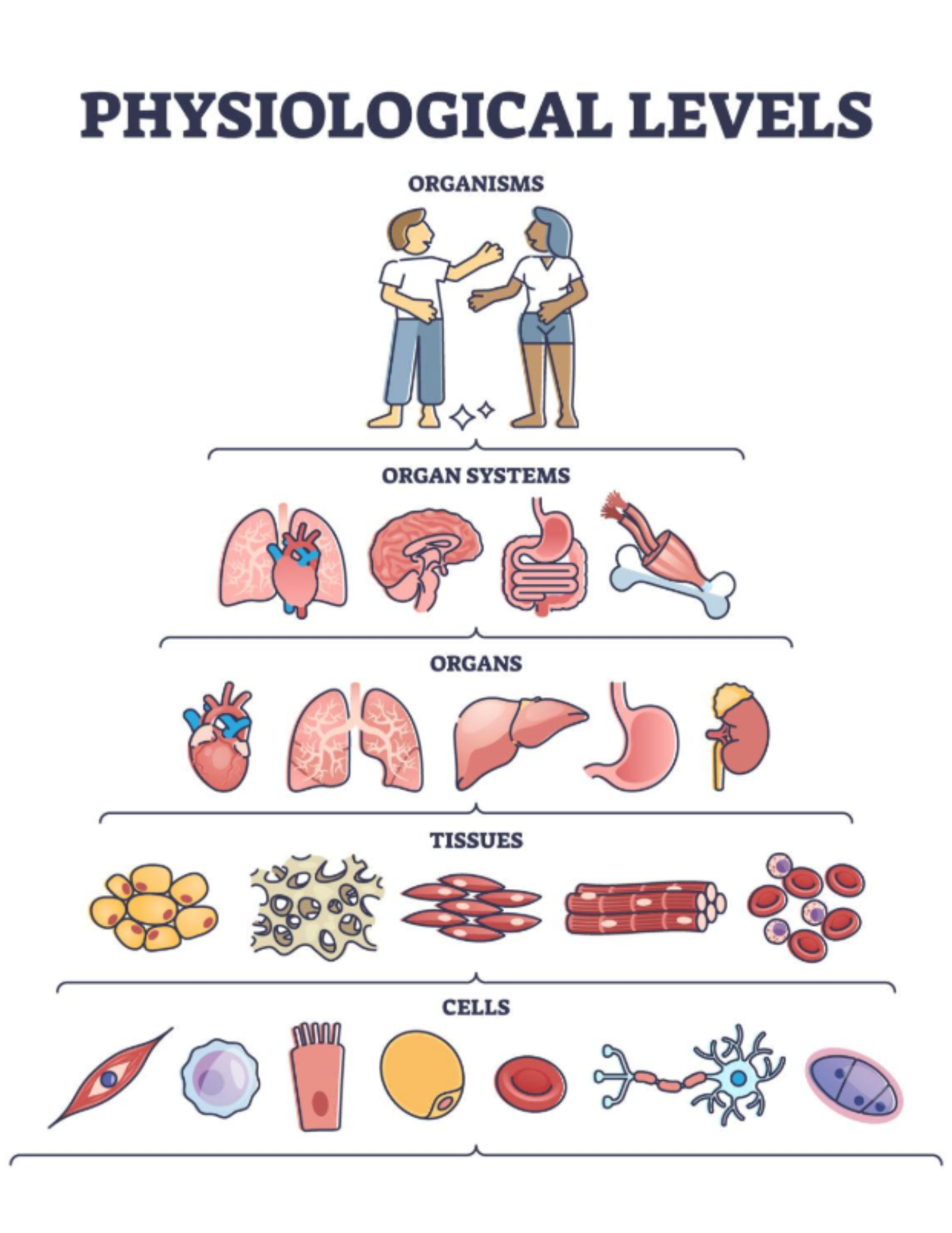
Cells: The Basic Unit of Life
Cells are the smallest living structures in the human body capable of carrying out the essential processes of life. Each cell maintains its own internal environment, produces energy, synthesizes necessary molecules, and communicates with neighboring cells.
Although cells share common features, they are far from identical. Through cellular specialization, cells develop structures suited to specific functions. Muscle cells contain specialized proteins that enable contraction. Nerve cells extend long processes that transmit electrical signals across great distances. Connective tissue cells produce fibers that give tissues strength and resilience.
The human body contains trillions of cells, and their coordinated activity produces the physiological processes that sustain life. We cannot see individual cells with the naked eye, but their collective behavior underlies everything from movement and sensation to healing and adaptation.
For massage therapists, it is worth remembering that the tissues you feel beneath your hands are ultimately composed of these microscopic living units. When you apply pressure to muscle or connective tissue, the mechanical forces you introduce can influence cellular activity, fluid movement, and communication between cells.
Tissues: Groups of Similar Cells
When cells with similar structures and functions organize together, they form tissues. Tissues represent the first level of organization in which groups of cells begin working cooperatively to carry out specialized roles.
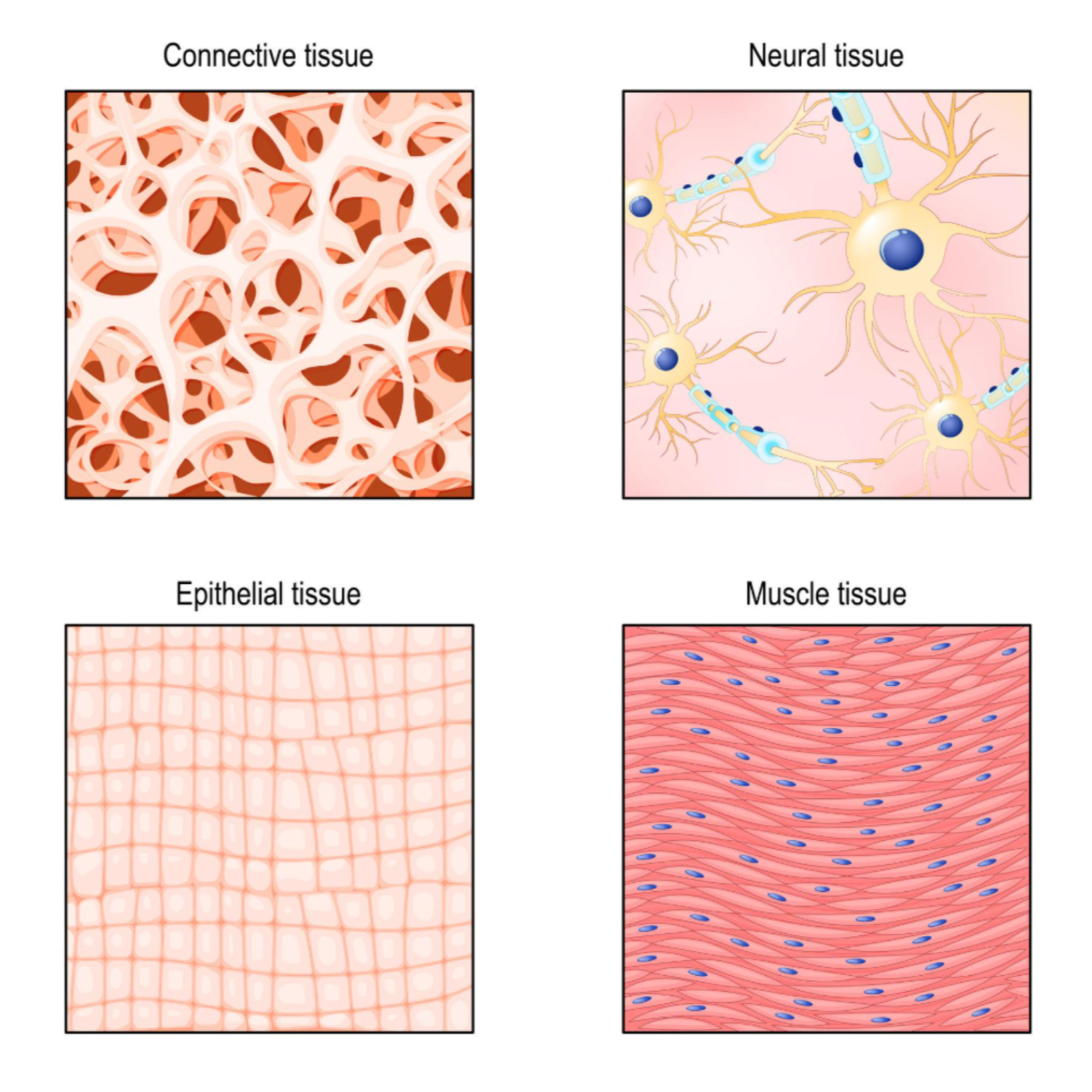
The human body contains four primary types of tissue: epithelial tissue, connective tissue, muscle tissue, and nervous tissue. Each of these tissues contributes to the structure and function of the body in distinctive ways.
Epithelial tissue forms protective coverings and linings throughout the body. It covers the outer surface of the skin and lines internal cavities and organs. These tissues often serve as barriers, protecting underlying structures while also regulating the exchange of substances between environments.
Connective tissue is the most abundant and diverse tissue type in the body. As its name suggests, connective tissue supports, binds, and connects other tissues together. Bone, cartilage, ligaments, tendons, and blood are all forms of connective tissue. In massage therapy, connective tissues such as fascia and tendons are especially important because they transmit mechanical forces and help coordinate movement across multiple structures.
Muscle tissue is specialized for contraction. When muscle fibers shorten, they generate force that allows the body to move, maintain posture, and stabilize joints. This tissue type is central to many of the conditions massage therapists address, including muscular tension, fatigue, and restricted mobility.
Nervous tissue forms the communication network of the body. Neurons transmit electrical signals that allow rapid coordination of bodily functions, while supporting cells help maintain the environment necessary for neural signaling. Through this system, sensory information is processed and motor commands are distributed to muscles and glands.
Although these tissues have distinct characteristics, they rarely function in isolation. Instead, they combine in intricate ways to form organs.
Organs: Multiple Tissues Working Together
An organ is a structure composed of two or more tissue types that work together to perform a specific function. This level of organization represents an important shift in biological complexity, because the coordinated activity of multiple tissues allows organs to carry out specialized physiological tasks.
The heart is a useful example. At its core, the heart is composed primarily of muscle tissue that generates rhythmic contractions. Yet this muscular activity would be impossible without support from additional tissues. Connective tissue forms the structural frameworks that maintain the heart's shape and integrity. Nervous tissue regulates the timing and coordination of contractions. Epithelial tissue lines internal chambers and blood vessels, ensuring the smooth movement of blood through the circulatory system.
Many organs demonstrate similar integration of tissue types. The stomach combines muscular layers that mix and propel food with epithelial linings that secrete digestive enzymes. The lungs contain delicate epithelial surfaces specialized for gas exchange, supported by connective tissue frameworks and controlled by neural signals.
Recognizing organs as integrated structures helps move students beyond the notion that anatomy is a catalog of isolated parts. Organs are collaborative systems of tissues working together toward a shared purpose.
Organ Systems: Coordinated Physiological Functions
Organs rarely function alone. Most physiological processes depend on the coordinated activity of several organs working together within organ systems.
The circulatory system illustrates this clearly. The heart generates the force that propels blood through the body, but that function depends on an extensive network of blood vessels that distribute blood to tissues and return it to the heart. Blood itself serves as the transport medium, carrying oxygen, nutrients, hormones, and metabolic waste products.
Other organ systems contribute equally important functions. The respiratory system allows oxygen to enter the bloodstream and carbon dioxide to be removed. The digestive system breaks down food and absorbs nutrients that fuel cellular metabolism. The nervous system coordinates communication throughout the body, while the musculoskeletal system enables movement and structural support.
What is particularly remarkable is how closely these systems interact. When a person begins exercising, the nervous system signals muscles to contract more forcefully, the circulatory system increases blood flow, the respiratory system accelerates oxygen intake, and metabolic processes within cells adjust to meet increased energy demands. This level of integration is a defining feature of living organisms.
Organism: The Integrated Whole
At the highest level of biological organization is the organism itself—a complete living being capable of maintaining life independently.
The human organism represents the culmination of all the levels that precede it. Cells, tissues, organs, and organ systems interact continuously to maintain the conditions necessary for survival. This coordination allows the body to adapt to changing environments, recover from injury, and maintain stability despite constant internal and external challenges.
When we view the body as an integrated organism rather than as isolated structures, the study of anatomy becomes far more meaningful. Instead of memorizing lists of names, we begin to see the patterns and relationships that reveal how the body actually works.
Key Principle: Structure Determines Function
One of the most important guiding ideas in anatomy is the principle that structure determines function. In simple terms, the way a biological structure is built determines what it can do.
This relationship is apparent throughout the body. Muscle fibers are elongated and packed with contractile proteins, enabling them to generate force and movement. Neurons possess branching extensions that transmit electrical signals across complex networks. Bones are composed of mineralized tissue that provides both strength and a degree of flexibility, allowing them to support the body while resisting mechanical stress.
For massage therapists, this principle has direct practical implications. Understanding how tissues are built helps explain why certain techniques influence the body in particular ways. Over time, many therapists find that anatomy begins to change how they perceive movement and posture—structures that once seemed abstract gradually become recognizable patterns beneath the skin.
Homeostasis: Maintaining Internal Balance
The human body must maintain relatively stable internal conditions in order for cells to function properly. This dynamic process is known as homeostasis.
Homeostasis is not a fixed state but rather a continuous process of adjustment and regulation. The body constantly monitors internal conditions and makes subtle corrections when those conditions drift outside the range necessary for normal function.
One of the most familiar examples of homeostasis is the regulation of body temperature. Human cells function optimally within a narrow temperature range, and even small deviations can disrupt metabolic processes. When body temperature rises, mechanisms such as sweating and dilation of blood vessels in the skin help dissipate heat. When temperature falls, shivering generates heat through muscular activity while blood vessels constrict to conserve warmth.
Other regulatory systems operate just as continuously. The kidneys carefully regulate fluid and electrolyte balance, ensuring that cells remain properly hydrated and chemically stable. Hormonal signals help maintain blood glucose levels within a narrow range so that cells receive a consistent supply of energy. Blood pressure is constantly adjusted through interactions between the heart, blood vessels, nervous system, and kidneys.
What makes homeostasis remarkable is that these adjustments occur largely outside our awareness. The body maintains internal balance through complex feedback systems that operate continuously throughout life.
Professor’s Insight
Anatomy is not simply the study of structures—it is the study of relationships between structures.
Clinical Connection
Massage and Homeostasis
Massage therapy may influence several physiological processes involved in maintaining homeostasis. Changes in circulation, nervous system activity, and tissue fluid movement can contribute to shifts in relaxation, recovery, and overall physiological balance.
CWEC Cat Observation 🐾
Watch a cat stretch after waking. The spine lengthens, limbs extend, and multiple joints move smoothly through different planes. Observing animal movement can provide surprisingly clear demonstrations of musculoskeletal coordination.
Chapter 2: Anatomical Terminology - The Language of Healthcare
Healthcare professionals rely on a standardized system of anatomical terminology to describe the body accurately and consistently. This shared language allows practitioners to communicate clearly about locations, relationships, and clinical findings.
Without standardized terminology, descriptions of the body could easily become confusing. A phrase such as “the inside of the arm,” for example, may mean different things depending on perspective. Anatomical terminology provides precise language that removes this ambiguity.
By learning this language early in their training, massage therapists gain the ability to communicate effectively with other healthcare providers and to understand anatomical resources used throughout the health sciences.
Anatomical Position
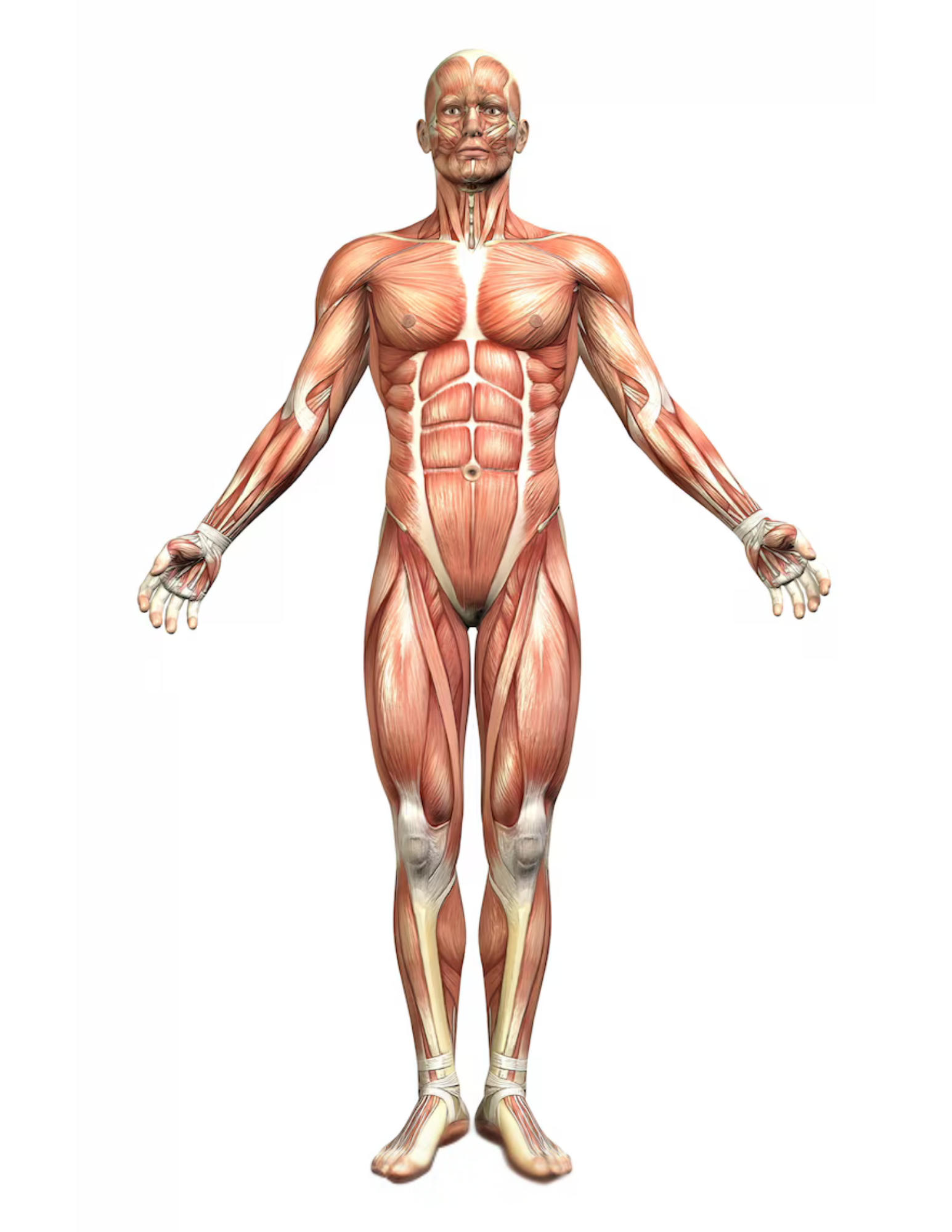
All anatomical descriptions assume a standard reference posture known as the anatomical position. In this position the body stands upright, facing forward, with arms resting at the sides and the palms facing forward.
This position provides a consistent orientation that allows directional terms to remain meaningful regardless of how the body is actually positioned.
Directional Terms
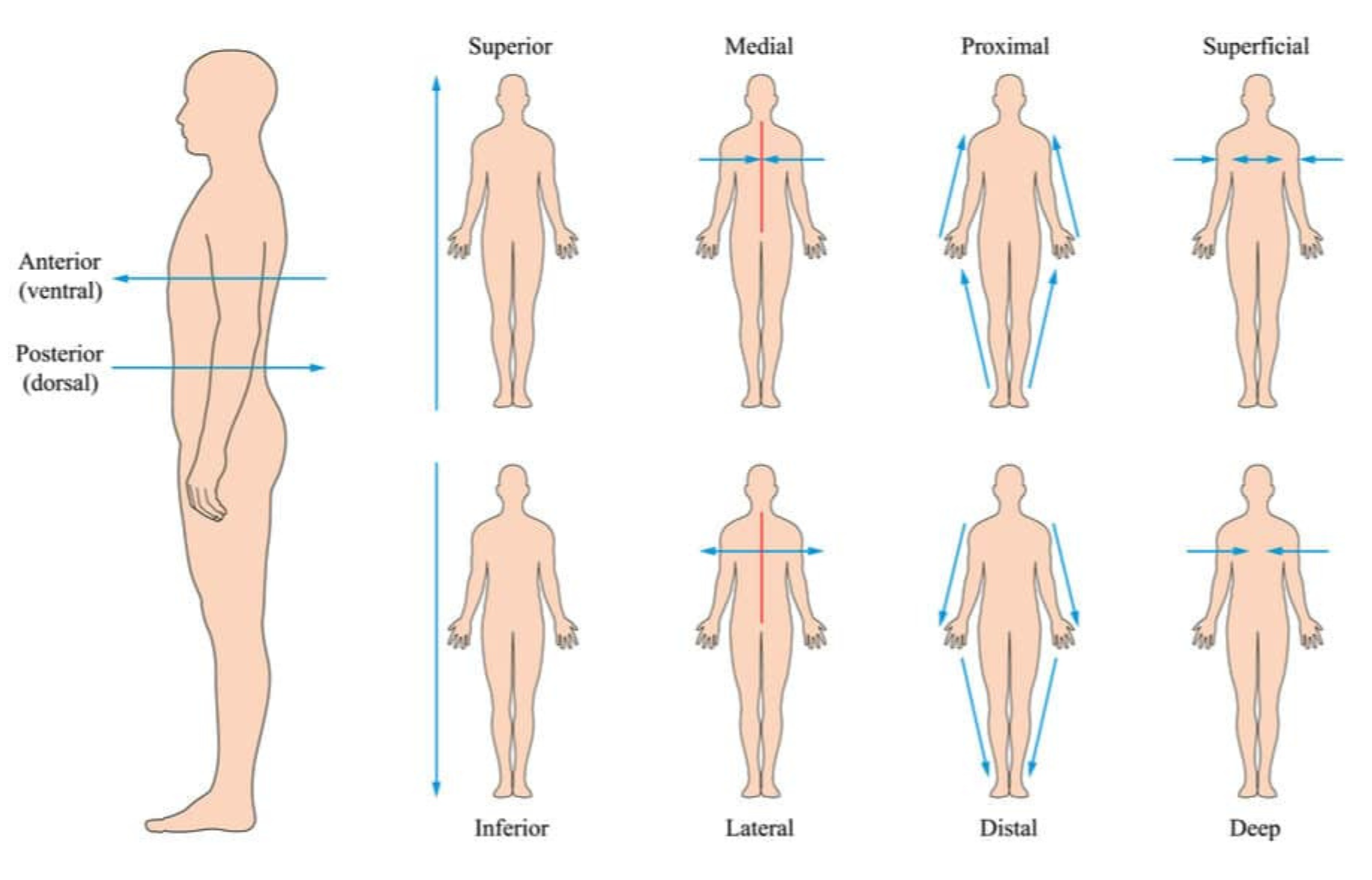
Directional terms allow healthcare professionals to describe the location of structures in relation to one another. They provide a shared vocabulary that replaces vague language—"near the top" or "toward the inside"—with descriptions precise enough to communicate clearly across clinical settings. All directional terms assume the anatomical position as a reference point.
Superior and Inferior
A structure located toward the head is described as superior; one located toward the lower portion of the body is described as inferior. The shoulders are superior to the hips, and the knees are inferior to the pelvis.
You may also encounter the terms cranial and caudal, which carry the same directional meaning. Cranial refers toward the head; caudal refers toward the lower end of the body. These terms originate in veterinary anatomy—where "superior" and "inferior" don't translate well to four-legged animals—and persist in human neuroanatomy, particularly when describing structures along the brainstem and spinal cord. As a massage therapist you are more likely to encounter superior and inferior in clinical contexts, but cranial and caudal will appear in reference texts and are worth recognizing.
Medial and Lateral
These terms describe position relative to the body's midline, an imaginary line that divides the body into right and left halves. Structures closer to the midline are medial; those farther from it are lateral. The big toe is medial relative to the little toe, while the arms are lateral to the chest.
Proximal and Distal
A structure closer to where a limb attaches to the trunk is proximal; one farther from the attachment point is distal. The elbow is proximal to the wrist but distal to the shoulder.
Superficial and Deep
Superficial describes structures closer to the surface of the body; deep describes those located farther beneath it. The skin is superficial to the muscles of the thigh, while the femur lies deep to those muscles. These terms are particularly useful in massage therapy when describing which tissue layers are being addressed.
Anterior and posterior round out the core directional vocabulary. Anterior refers to the front of the body; posterior refers to the back. The sternum is anterior to the spine; the erector spinae muscles are posterior to the ribs.
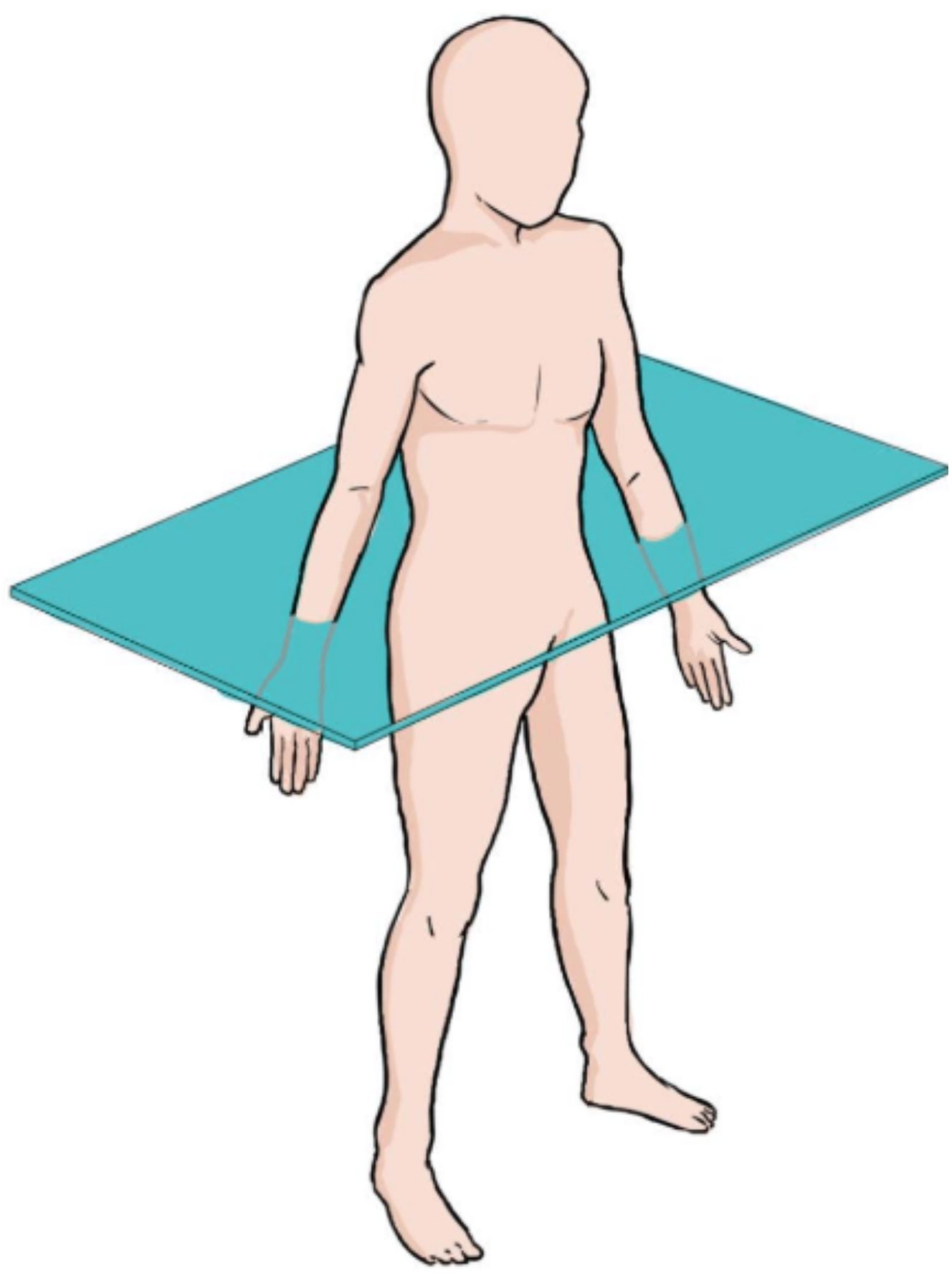
Body Planes and Movement
Anatomists often describe the body using imaginary flat surfaces called planes. These planes divide the body into sections and provide a useful framework for visualizing how structures are arranged and how movements occur.
In addition to describing anatomy, body planes help us understand patterns of movement. Most movements occur primarily within one plane, although the body frequently combines movements from multiple planes during complex actions.
Each plane of movement is associated with a specific axis of rotation, which runs perpendicular to that plane. An axis can be imagined as an invisible line around which movement occurs. Understanding the relationship between planes and axes helps clarify how joints move and how forces are transmitted through the body.
The Sagittal Plane
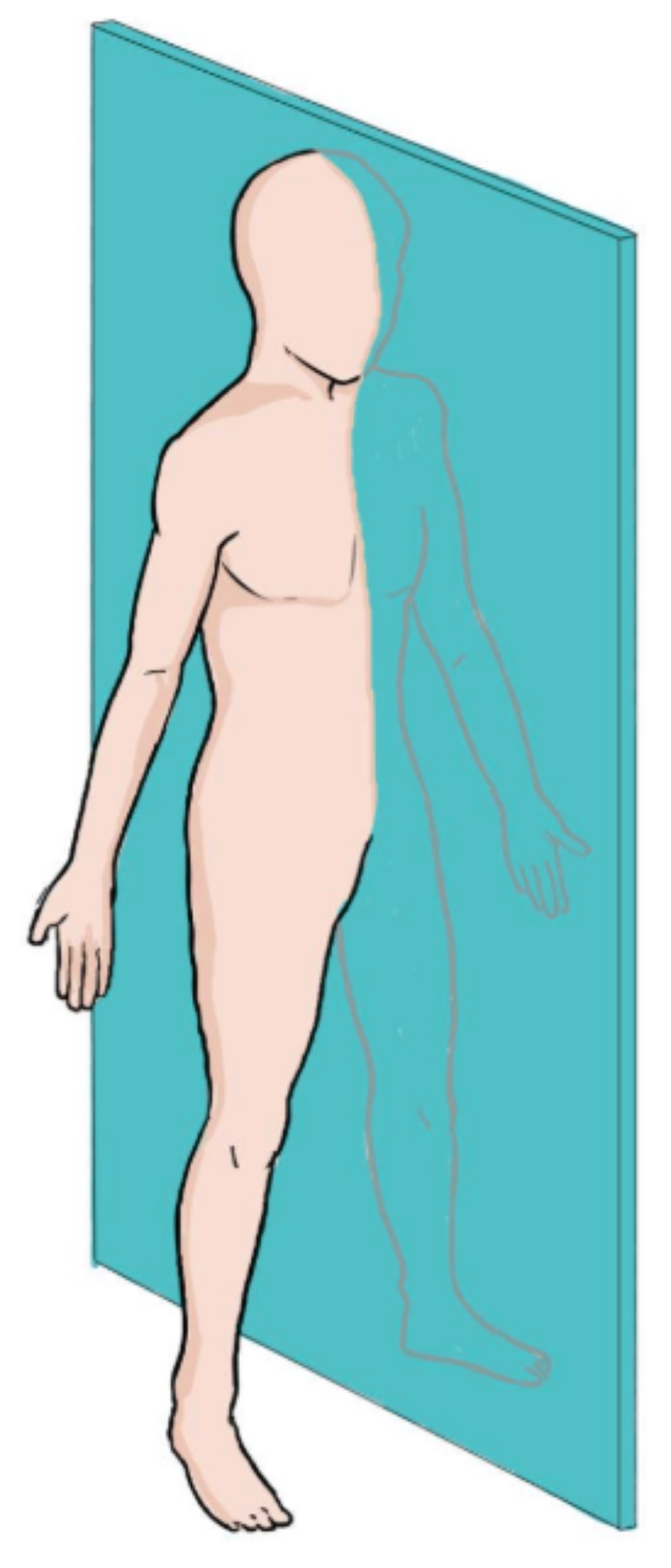
The sagittal plane divides the body into right and left portions. Many common movements occur primarily within this plane, including walking, running, bending forward, and returning to an upright posture. Movements in the sagittal plane generally involve flexion and extension—the bending and straightening of joints such as the elbow or knee.
These movements occur around a mediolateral axis (also called the frontal axis), which runs horizontally from one side of the body to the other.
For massage therapists, sagittal plane movement is especially relevant when observing gait patterns or assessing how clients bend and straighten their joints.
The Frontal (Coronal) Plane
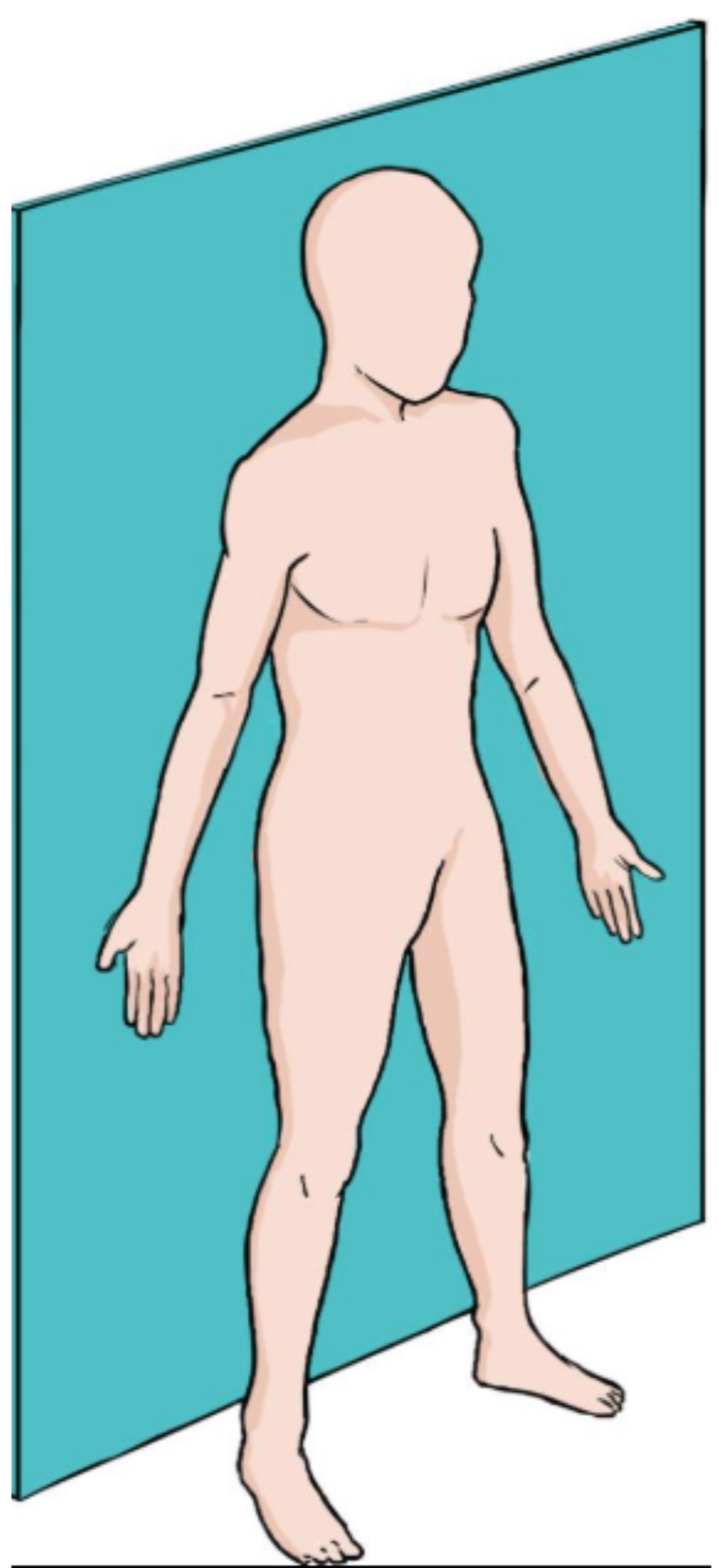
The frontal plane, also called the coronal plane, divides the body into front (anterior) and back (posterior) portions. Movements in this plane include raising the arms out to the sides and lowering them back toward the body—described as abduction and adduction. Bending the torso sideways is described as lateral flexion of the spine.
Movement in the frontal plane occurs around an anteroposterior axis, which runs from the front of the body toward the back.
Understanding frontal plane movement can be helpful when evaluating shoulder mobility, hip stability, or patterns of side-to-side movement.
The Transverse Plane
The transverse plane divides the body into upper (superior) and lower (inferior) portions. Movements in this plane involve rotation, such as turning the head from side to side, rotating the torso, and internal and external rotation of the shoulder or hip.
These movements occur around a vertical (longitudinal) axis, which runs from the head toward the feet.
Rotational movements are essential for activities such as walking, reaching, and athletic movement, and they play an important role in spinal mobility.
Integrating Movement Across Planes
Although these planes are described separately for clarity, most real-life movements involve multiple planes simultaneously. Reaching for an object on a high shelf, for example, may involve flexion of the shoulder in the sagittal plane, abduction in the frontal plane, and subtle rotation in the transverse plane. The nervous system coordinates these movements seamlessly so that complex actions feel smooth and natural.
For massage therapists, thinking about movement in terms of planes can provide valuable insight when observing posture, range of motion, and movement patterns. Restrictions in one plane of movement often influence how the body compensates in another.
Why This Matters for Massage Therapists
Massage therapists spend more time in direct contact with human tissue than many other healthcare professionals. Because of this, anatomical knowledge is not simply academic—it informs clinical judgment.
When therapists understand how the body is organized, they can approach their work with greater confidence and precision. Knowledge of tissue structure helps practitioners apply pressure safely and appropriately. Awareness of anatomical relationships allows therapists to recognize patterns of tension that may extend beyond a single muscle.
Equally important, anatomical knowledge helps therapists communicate effectively with other healthcare providers. Clear communication improves collaboration and ultimately benefits clients.
Over time, anatomy becomes something more than memorization. It becomes a framework through which practitioners perceive the body—an evolving understanding that continues to deepen with experience.
Pause and Reflect
Before moving forward, consider the following questions:
How might a deeper understanding of body organization influence the way a massage therapist approaches touch?
Why do you think healthcare professions rely so heavily on standardized anatomical terminology?
Key Takeaways
• The body is organized into hierarchical levels: cells, tissues, organs, organ systems, and the organism.
• Four primary tissue types form the structural foundation of the body.
• Homeostasis refers to the body’s ability to maintain internal stability despite changing conditions.
• Anatomical terminology provides a standardized language for describing the body.
• Understanding body organization improves safety, communication, and clinical reasoning in massage therapy.